02/04/2026
How can Germany safeguard its economic strength, become future-proof, and return to a path of growth? This question was at the center of the “Economy in Dialogue” event, hosted by Heidelberger Druckmaschinen AG (HEIDELBERG) on Tuesday at its headquarters, bringing together representatives from politics and business. More than 70 decision-makers from the regional economy and the company took part in intensive discussions. Among the discussion partners were Dr. Carsten Linnemann, Secretary General of the CDU; Christiane Staab, Member of the State Parliament of Baden-Württemberg (CDU); and Dr. Rainer Dulger, President of the Confederation of German Employers’ Associations (BDA).
In his welcome address, Jürgen Otto, CEO of HEIDELBERG, emphasized that many companies currently view the conditions in Germany as extremely challenging. “The German economy is under considerable pressure. Compared with other countries, high labor costs and energy prices, complex regulations, and bureaucratic and lengthy decision-making processes are slowing down investment and innovation. We are particularly confronted with these challenges at our largest site in Wiesloch-Walldorf. We have developed our strategy to address them,” said Otto. “The direct exchange between business and politics was very constructive. But it is also true that the essential performance improvements needed to increase global competitiveness must come from the companies themselves. Politics cannot do that for us.”
In his keynote speech, Dr. Carsten Linnemann painted a clear picture of the current situation: “Germany is in a phase of structural economic weakness. Companies are struggling not only with cyclical effects but also with fundamental locational disadvantages, particularly in terms of taxes and social contributions,” Linnemann said. “We need to regain the courage to pursue economic policy reforms—less bureaucracy, faster procedures, and clear incentives for performance and investment.”
In his remarks, Dr. Rainer Dulger also called for decisive action: “Germany now needs an economic chancellor who can combine foreign policy strength with domestic reform capability. Our country is losing momentum: a welfare state full of misaligned incentives, suffocating bureaucracy, and labor time regulations from the analog age are slowing growth and employment. Work must once again pay off in a noticeable way, education must deliver reliable quality, and Europe must lead the way in free trade and competitiveness. Only if we now make a consistent shift and refocus on value creation, performance, and growth can we safeguard prosperity, social stability, and the future viability of our country.”
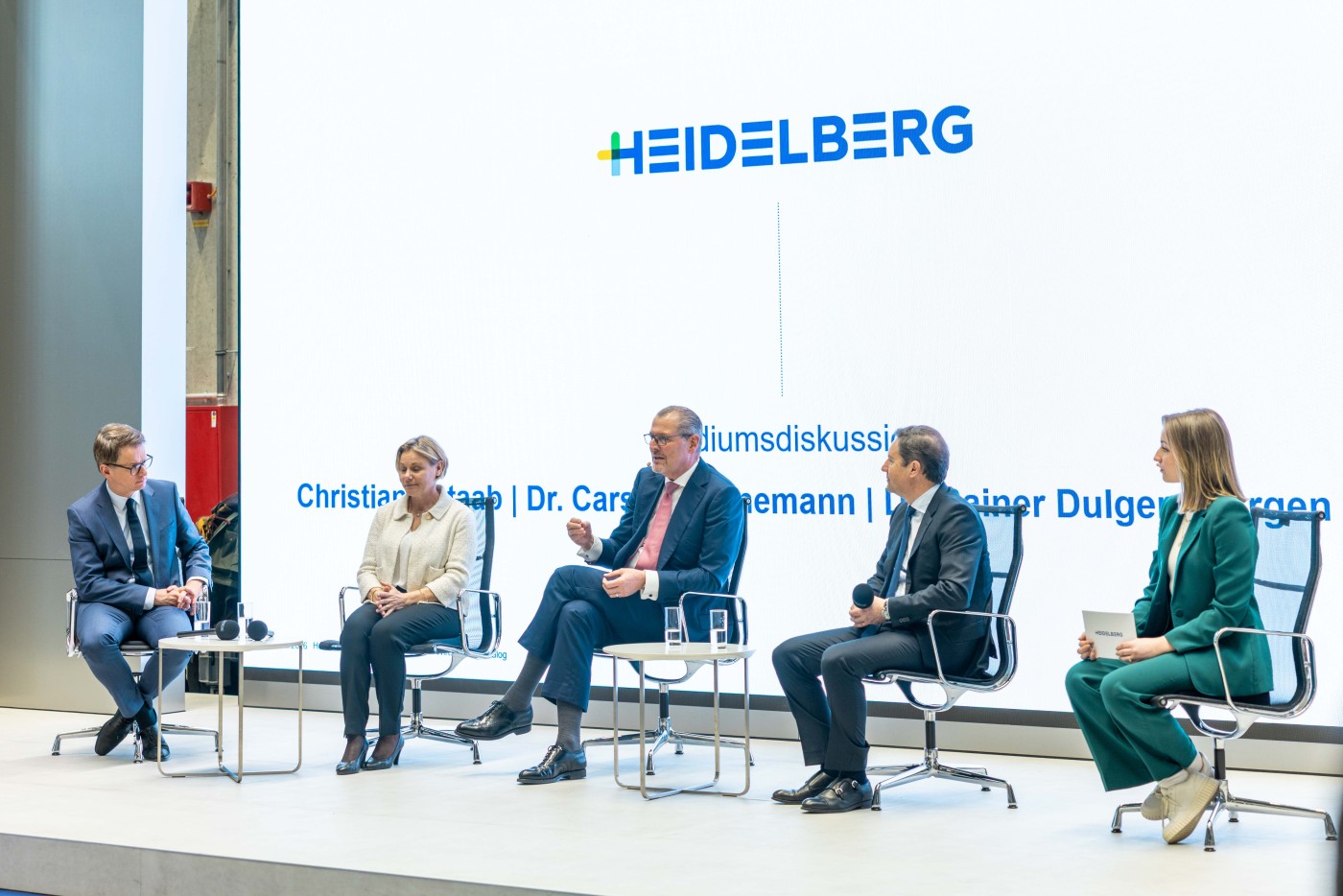
During the subsequent discussion, Dr. Carsten Linnemann, Christiane Staab, and Dr. Dulger discussed pressing issues with the business representatives, including tax burdens, social contributions, securing skilled labor, energy prices, and investment barriers. Particular attention was given to the key role of small and medium-sized enterprises (SMEs) in Baden-Württemberg. All participants agreed on the need for significantly faster political decision-making processes.
Heidelberger Druckmaschinen AG (HEIDELBERG) is a leading technology company that has been standing for innovation, quality, and reliability in mechanical engineering worldwide for 175 years. With a clear focus on growth and as a total solution provider, HEIDELBERG is driving further development in the core areas of packaging and digital printing, software solutions, and lifecycle business with service and consumables so that customers can achieve maximum productivity and efficiency.
The company is also focusing on expanding into new business areas such as high-precision plant engineering with integrated control systems, automation technology, robotics, and the growing green technologies sector. With its strong international presence in approximately 170 countries, the creative power and expertise of its roughly 9,500 employees, its own production facilities in Europe, China, and the USA, and one of the largest global sales and service networks, the company is ideally positioned for future growth.
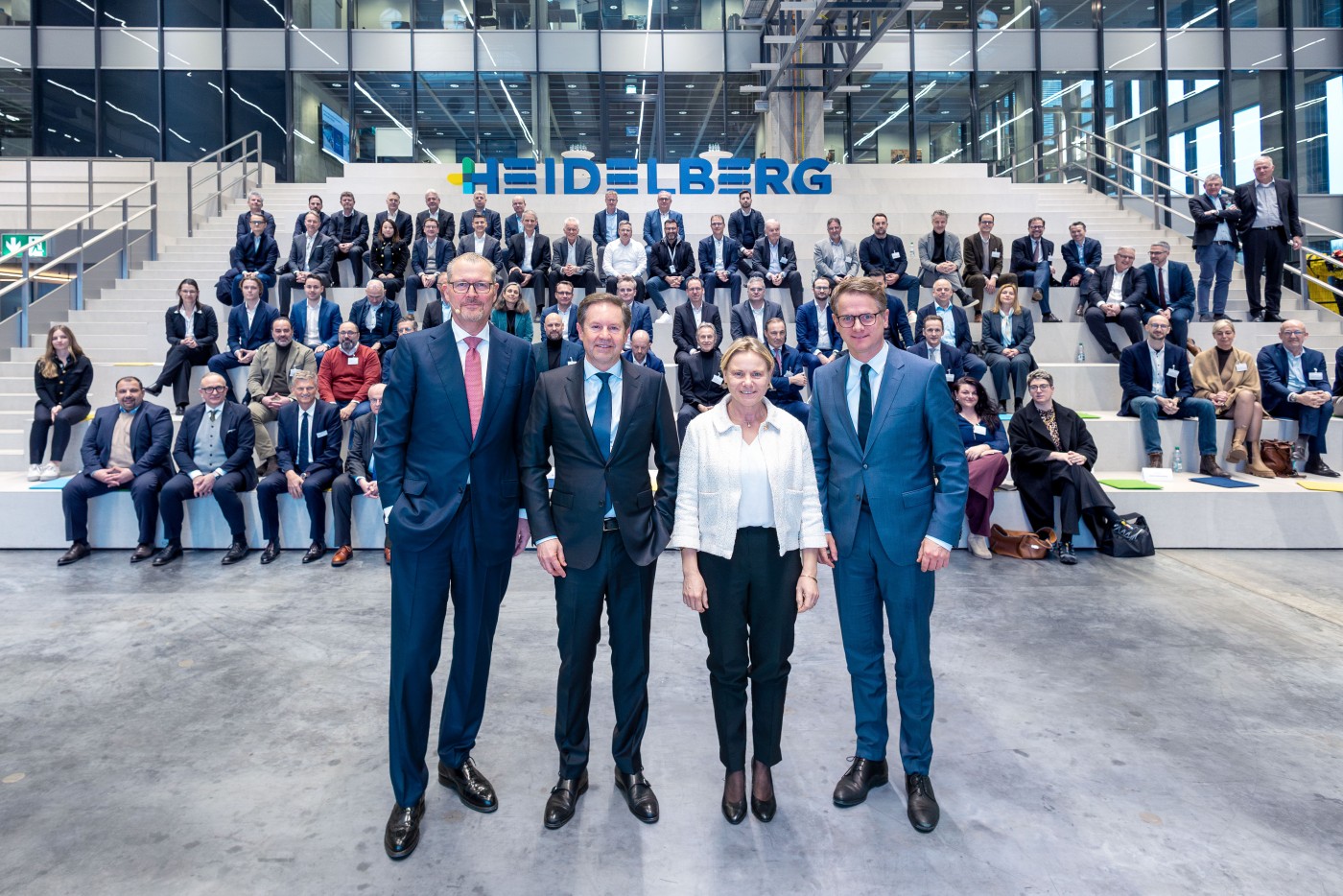
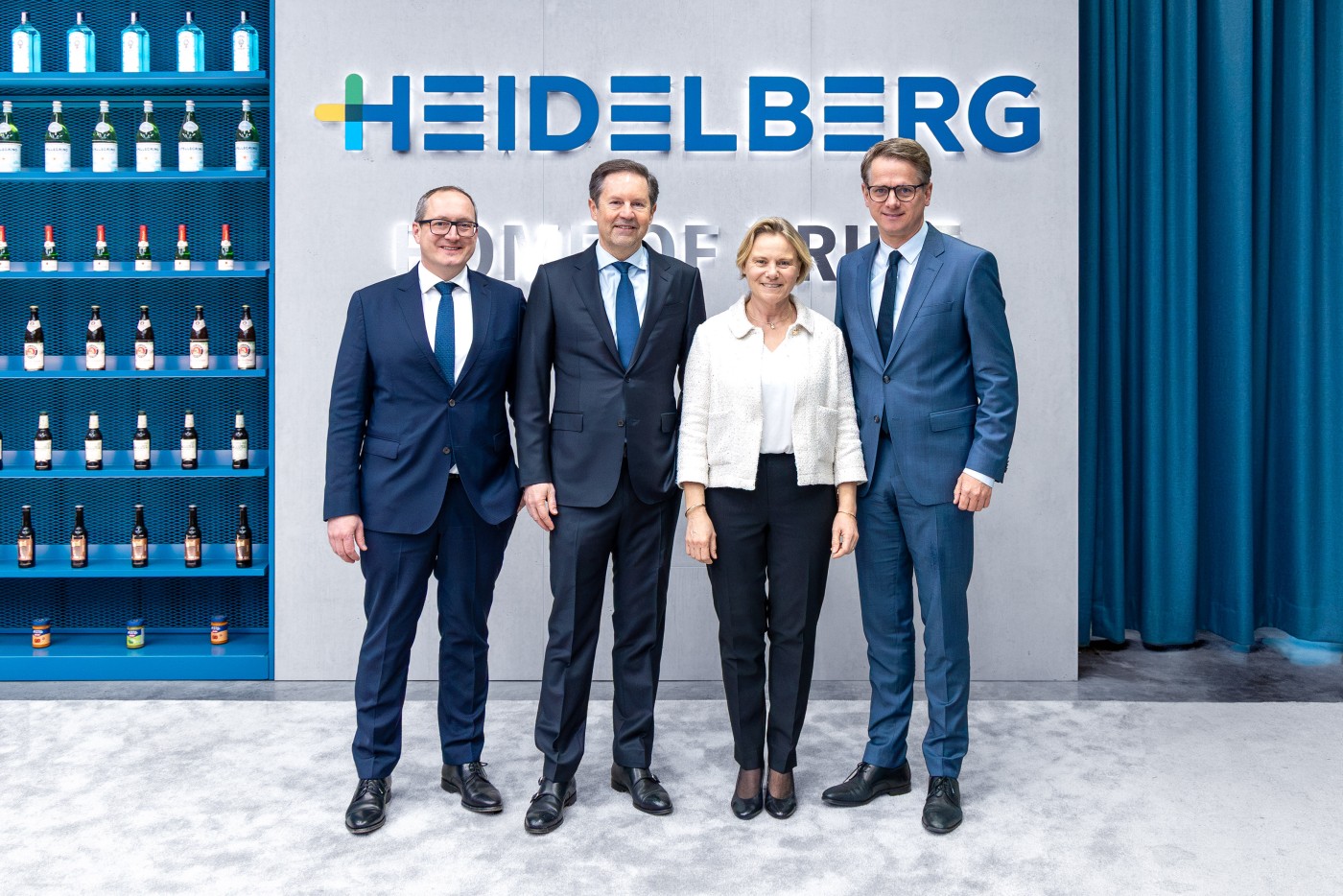
Image 1: Economic dialogue at HEIDELBERG with: Dr. Rainer Dulger, BDA, Jürgen Otto, HEIDELBERG, Christiane Staab, CDU, and Dr. Carsten Linnemann, CDU, (from left).
Image 2: Business dialogue at HEIDELBERG with: Dr. Carsten Linnemann, CDU, Christiane Staab, CDU, Dr. Rainer Dulger (BDA) and Jürgen Otto, HEIDELBERG, (from left).
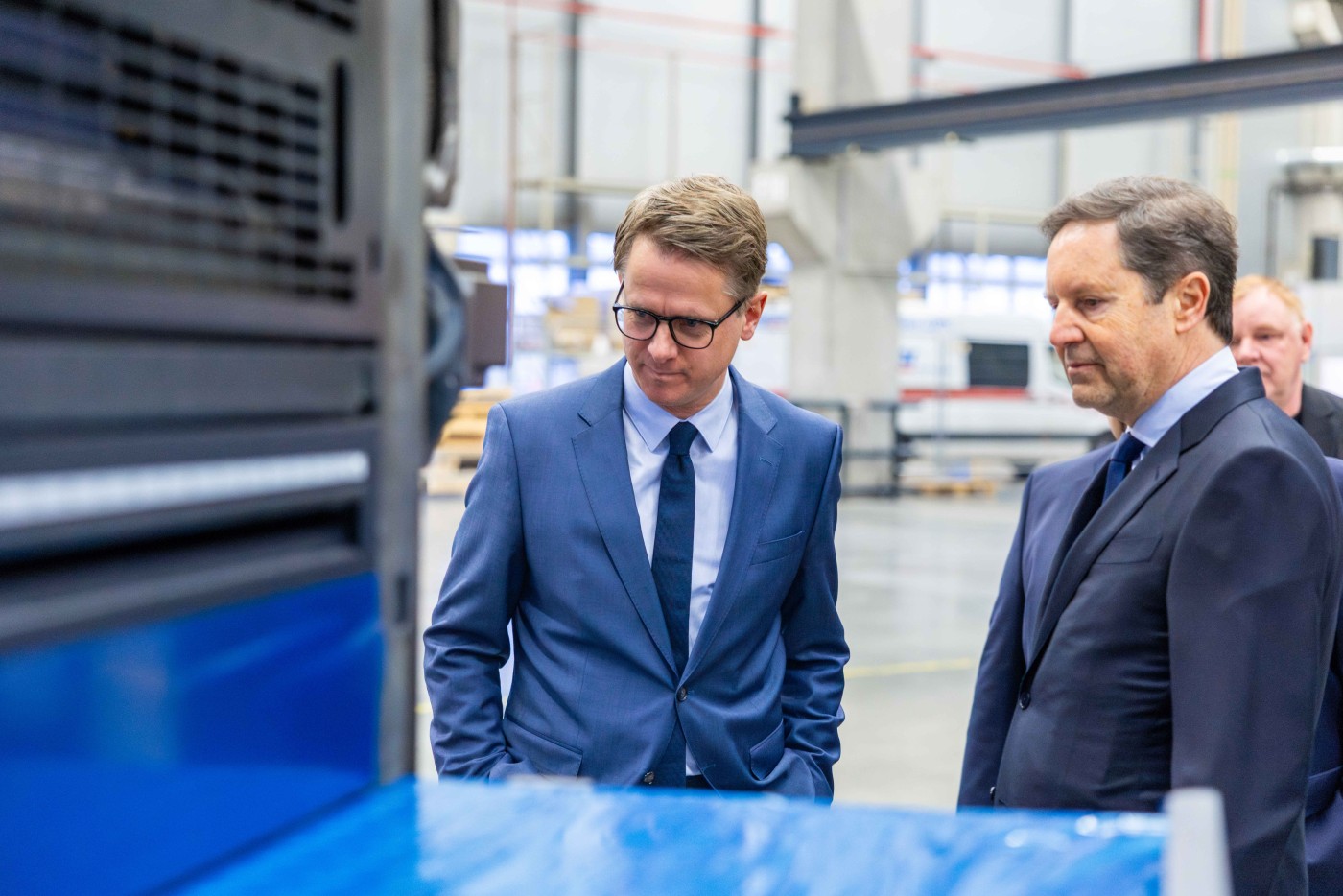
Image 3: Visit to HEIDELBERG: Dr. Carsten Linnemann, CDU, and Jürgen Otto, HEIDELBERG (from left).
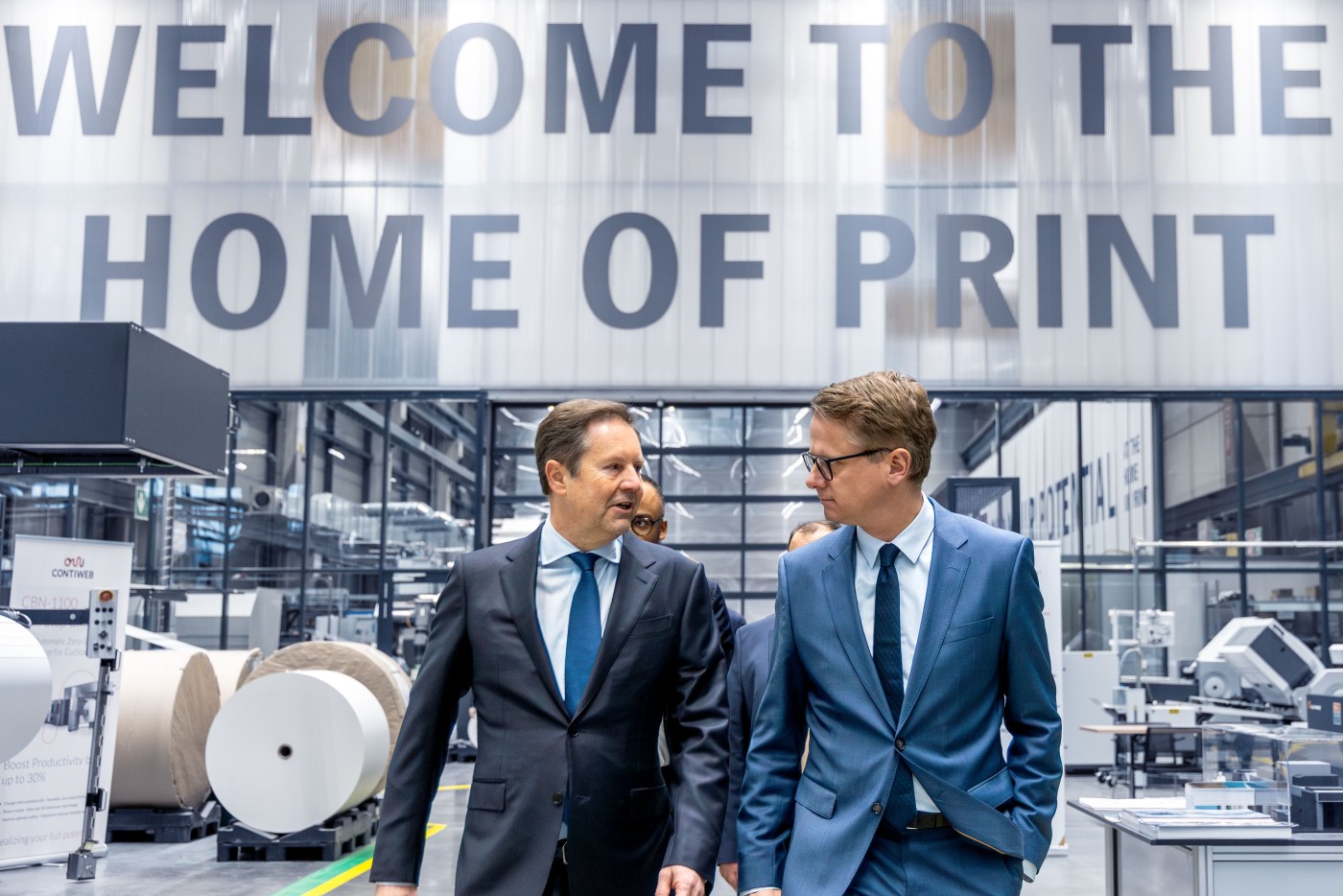
Image 4: Visit to HEIDELBERG: Jürgen Otto, HEIDELBERG, and Dr. Carsten Linnemann, CDU (from left).
Image 5: Visit to HEIDELBERG: Dr. David Schmedding, HEIDELBERG, Jürgen Otto, HEIDELBERG, Christiane Staab, CDU, and Dr. Carsten Linnemann, CDU, (from left).
Image material, and further information about the company are available in the Investor Relations and Press Lounge of Heidelberger Druckmaschinen AG at www.heidelberg.com.
This release contains forward-looking statements based on assumptions and estimates by the management of Heidelberger Druckmaschinen Aktiengesellschaft. Even though the management is of the opinion that these assumptions and estimates are accurate, the actual future development and results may deviate substantially from these forward-looking statements due to various factors, such as changes in the overall economic situation, in exchange and interest rates, and within the print media industry. Heidelberger Druckmaschinen Aktiengesellschaft provides no guarantee and assumes no liability for future developments and results deviating from the assumptions and estimates made in this press release.
Thomas Fichtl
Head of Global Communications
Tel.: +49 (0)6222 82 67123
Email: thomas.fichtl@heidelberg.com
Sascha Donat
Head of Capital Market Relations
Email: sascha.donat@heidelberg.com
02/04/2026
How can Germany safeguard its economic strength, become future-proof, and return to a path of growth? This question was at the center of the “Economy in Dialogue” event, hosted by Heidelberger Druckmaschinen AG (HEIDELBERG) on Tuesday at its headquarters, bringing together representatives from politics and business. More than 70 decision-makers from the regional economy and the company took part in intensive discussions. Among the discussion partners were Dr. Carsten Linnemann, Secretary General of the CDU; Christiane Staab, Member of the State Parliament of Baden-Württemberg (CDU); and Dr. Rainer Dulger, President of the Confederation of German Employers’ Associations (BDA).
In his welcome address, Jürgen Otto, CEO of HEIDELBERG, emphasized that many companies currently view the conditions in Germany as extremely challenging. “The German economy is under considerable pressure. Compared with other countries, high labor costs and energy prices, complex regulations, and bureaucratic and lengthy decision-making processes are slowing down investment and innovation. We are particularly confronted with these challenges at our largest site in Wiesloch-Walldorf. We have developed our strategy to address them,” said Otto. “The direct exchange between business and politics was very constructive. But it is also true that the essential performance improvements needed to increase global competitiveness must come from the companies themselves. Politics cannot do that for us.”
In his keynote speech, Dr. Carsten Linnemann painted a clear picture of the current situation: “Germany is in a phase of structural economic weakness. Companies are struggling not only with cyclical effects but also with fundamental locational disadvantages, particularly in terms of taxes and social contributions,” Linnemann said. “We need to regain the courage to pursue economic policy reforms—less bureaucracy, faster procedures, and clear incentives for performance and investment.”
In his remarks, Dr. Rainer Dulger also called for decisive action: “Germany now needs an economic chancellor who can combine foreign policy strength with domestic reform capability. Our country is losing momentum: a welfare state full of misaligned incentives, suffocating bureaucracy, and labor time regulations from the analog age are slowing growth and employment. Work must once again pay off in a noticeable way, education must deliver reliable quality, and Europe must lead the way in free trade and competitiveness. Only if we now make a consistent shift and refocus on value creation, performance, and growth can we safeguard prosperity, social stability, and the future viability of our country.”
During the subsequent discussion, Dr. Carsten Linnemann, Christiane Staab, and Dr. Dulger discussed pressing issues with the business representatives, including tax burdens, social contributions, securing skilled labor, energy prices, and investment barriers. Particular attention was given to the key role of small and medium-sized enterprises (SMEs) in Baden-Württemberg. All participants agreed on the need for significantly faster political decision-making processes.
Heidelberger Druckmaschinen AG (HEIDELBERG) is a leading technology company that has been standing for innovation, quality, and reliability in mechanical engineering worldwide for 175 years. With a clear focus on growth and as a total solution provider, HEIDELBERG is driving further development in the core areas of packaging and digital printing, software solutions, and lifecycle business with service and consumables so that customers can achieve maximum productivity and efficiency.
The company is also focusing on expanding into new business areas such as high-precision plant engineering with integrated control systems, automation technology, robotics, and the growing green technologies sector. With its strong international presence in approximately 170 countries, the creative power and expertise of its roughly 9,500 employees, its own production facilities in Europe, China, and the USA, and one of the largest global sales and service networks, the company is ideally positioned for future growth.
Image 1: Economic dialogue at HEIDELBERG with: Dr. Rainer Dulger, BDA, Jürgen Otto, HEIDELBERG, Christiane Staab, CDU, and Dr. Carsten Linnemann, CDU, (from left).
Image 2: Business dialogue at HEIDELBERG with: Dr. Carsten Linnemann, CDU, Christiane Staab, CDU, Dr. Rainer Dulger (BDA) and Jürgen Otto, HEIDELBERG, (from left).
Image 3: Visit to HEIDELBERG: Dr. Carsten Linnemann, CDU, and Jürgen Otto, HEIDELBERG (from left).
Image 4: Visit to HEIDELBERG: Jürgen Otto, HEIDELBERG, and Dr. Carsten Linnemann, CDU (from left).
Image 5: Visit to HEIDELBERG: Dr. David Schmedding, HEIDELBERG, Jürgen Otto, HEIDELBERG, Christiane Staab, CDU, and Dr. Carsten Linnemann, CDU, (from left).
Image material, and further information about the company are available in the Investor Relations and Press Lounge of Heidelberger Druckmaschinen AG at www.heidelberg.com.
This release contains forward-looking statements based on assumptions and estimates by the management of Heidelberger Druckmaschinen Aktiengesellschaft. Even though the management is of the opinion that these assumptions and estimates are accurate, the actual future development and results may deviate substantially from these forward-looking statements due to various factors, such as changes in the overall economic situation, in exchange and interest rates, and within the print media industry. Heidelberger Druckmaschinen Aktiengesellschaft provides no guarantee and assumes no liability for future developments and results deviating from the assumptions and estimates made in this press release.
Head of Global Communications
Tel.: +49 (0)6222 82 67123
Head of Capital Market Relations