Commercial printing is changing. Today, competitiveness is not determined by a single machine, but by the ability to orchestrate complete, flexible production—smoothly switching from one process to the next and responding immediately to customer demands for smaller print runs, faster delivery, and customized results.
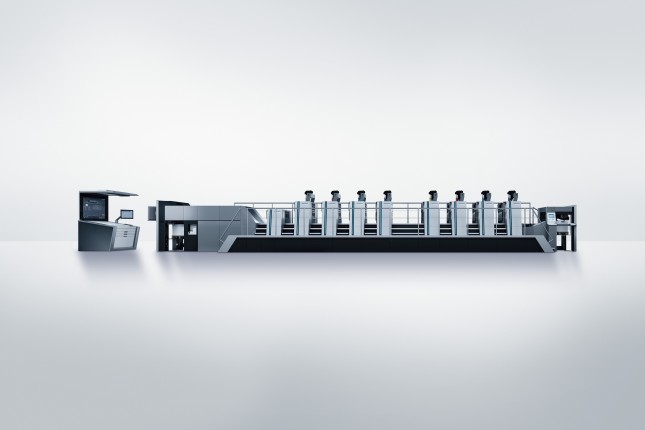
These changing expectations have led us at HEIDELBERG to redefine our role. Thanks to our 175-year tradition in offset printing, we have a deep understanding of print production, but experience alone is no longer enough in today's world. We have evolved from a technology provider to a system provider that integrates hardware, software, and services into a highly networked smart production system.
At the heart of this transformation is the HEIDELBERG Digital Print Ecosystem. It combines offset and digital technologies in an intelligent workflow, enabling print shops to achieve efficient, highly automated production. For us, digitalization does not mean replacing what already exists, but rather expanding possibilities and creating new opportunities — especially in fast-growing areas such as book on demand, where the ability to profitably process a large number of individual orders is the key to success.
A look at established industrial benchmarks shows where competitive production models are heading. The site of Siemens Electronics in Amberg (Germany) is a prime example of highly automated Industry 4.0 manufacturing. At Schneider Electric, robot-assisted, intelligently networked production systems are an integral part of day-to-day business. And at the Philips site in Drachten (Netherlands), robots take over central assembly and handling processes – even in largely "lights-out" production scenarios.
The printing industry is moving in the same direction.
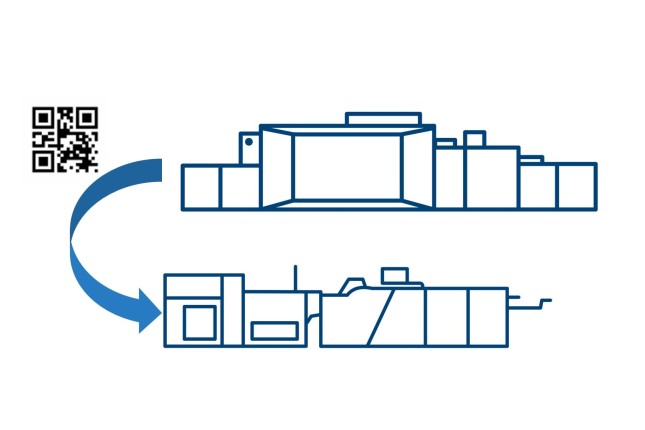
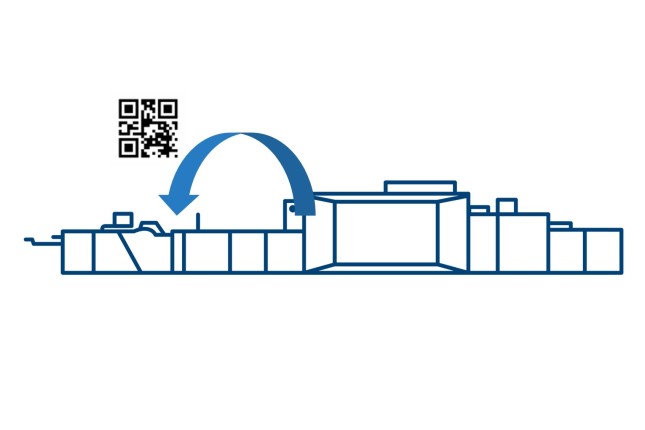
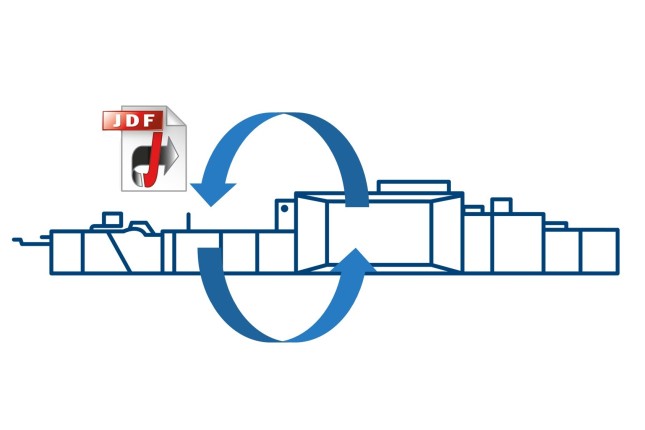
Our approach at HEIDELBERG follows this principle: fully automated processes as the path to competitiveness. In commercial printing, we distinguish between three levels of automation and have structured our workflow solutions accordingly:
AI-supported automation brings tangible benefits: maximum utilization (OEE), lower unit costs, less waste, shorter delivery times, less capital commitment and inventory, and lower energy consumption. It also provides a solution to the problem of skilled labor shortages.
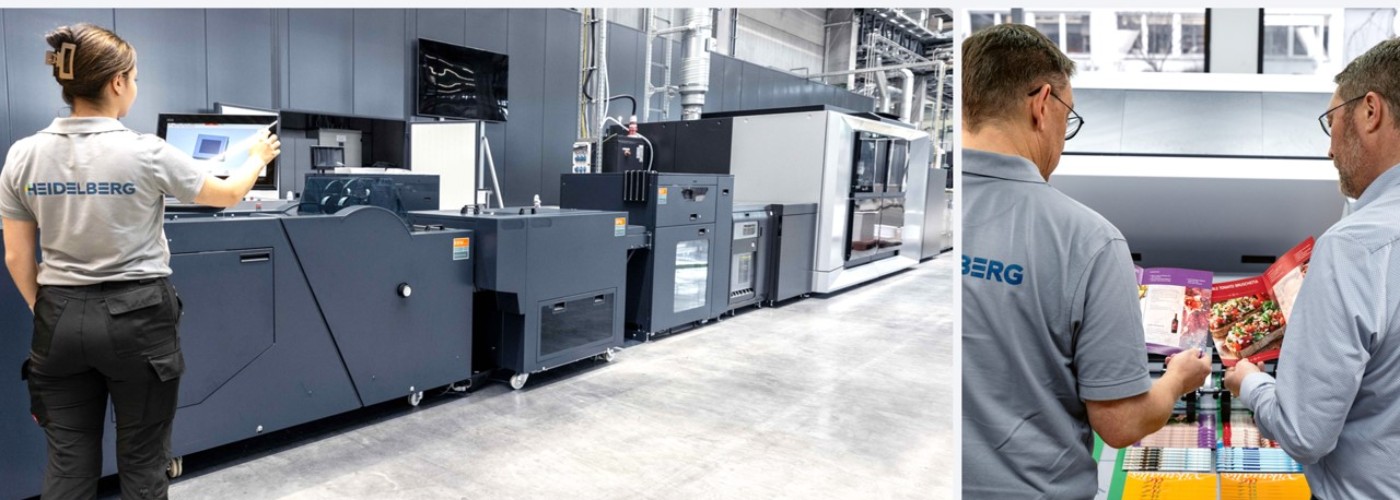
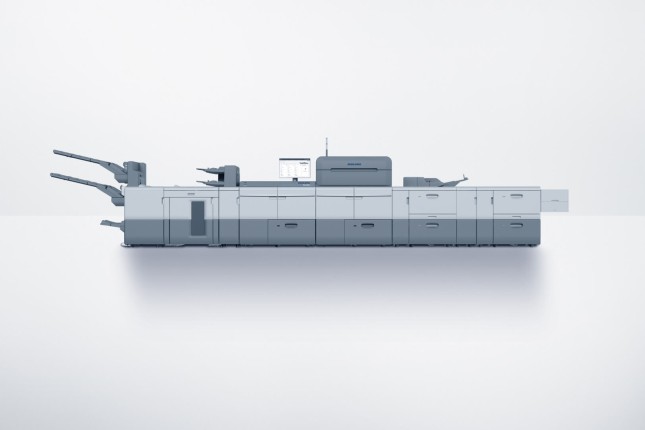
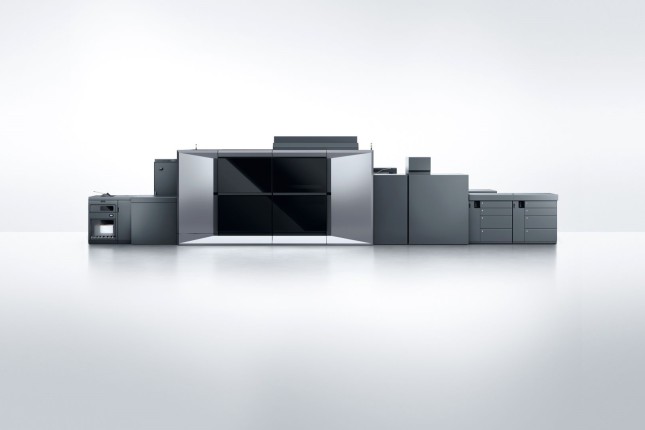
At the heart of the Digital Print Ecosystem are Jetfire digital presses—industrial systems designed for continuous commercial production.
Both printing presses can be natively integrated into the Prinect workflow, allowing print shops to switch between offset and digital production within a single environment. Consistent colors, uniform job management, and short turnaround times are built into the system. Operation is straightforward and requires only brief training for operators, reflecting our commitment to user-friendliness and simple processes.
As a system integrator, our goal is to simplify production for our customers by providing complete, networked solutions. This goes beyond printing and also includes finishing, a crucial phase in on-demand and short-run production. To make the transition from digital printing to the finished product seamless, HEIDELBERG has actively qualified leading finishing specialists and partnered with them to ensure compatibility and optimized performance for all our digital printing systems.
Today, our portfolio of finishing options for digital printing includes:
Each of these systems contributes to the same goal: a seamless path from PDF to finished product — the core of modern print-on-demand production.
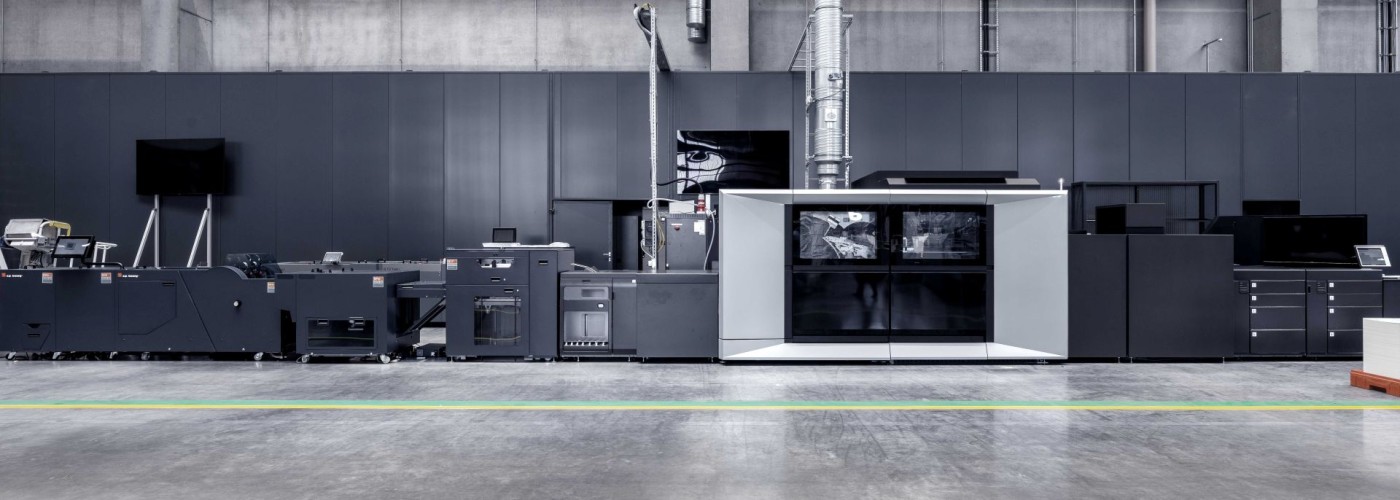
The HEIDELBERG approach to book and print-on-demand reflects a broader conviction: the future of printing is hybrid. Successful printing companies will be those that intelligently combine offset and digital printing and recognize data management and process automation as key success factors.
Our Jetfire printing presses operate within a comprehensive HEIDELBERG ecosystem that includes global service and support, optimized consumables, and the unified Prinect Production Manager workflow, which connects all stages of production.
We don't see commercial and book printing as mature markets, but rather as evolving industries—dynamic, data-driven, and full of opportunities. With in-depth market knowledge, proven technology, and integrated solutions, HEIDELBERG remains committed to shaping this evolution together with our customers.